Guides
Sighnaghi and Bodbe from Tbilisi
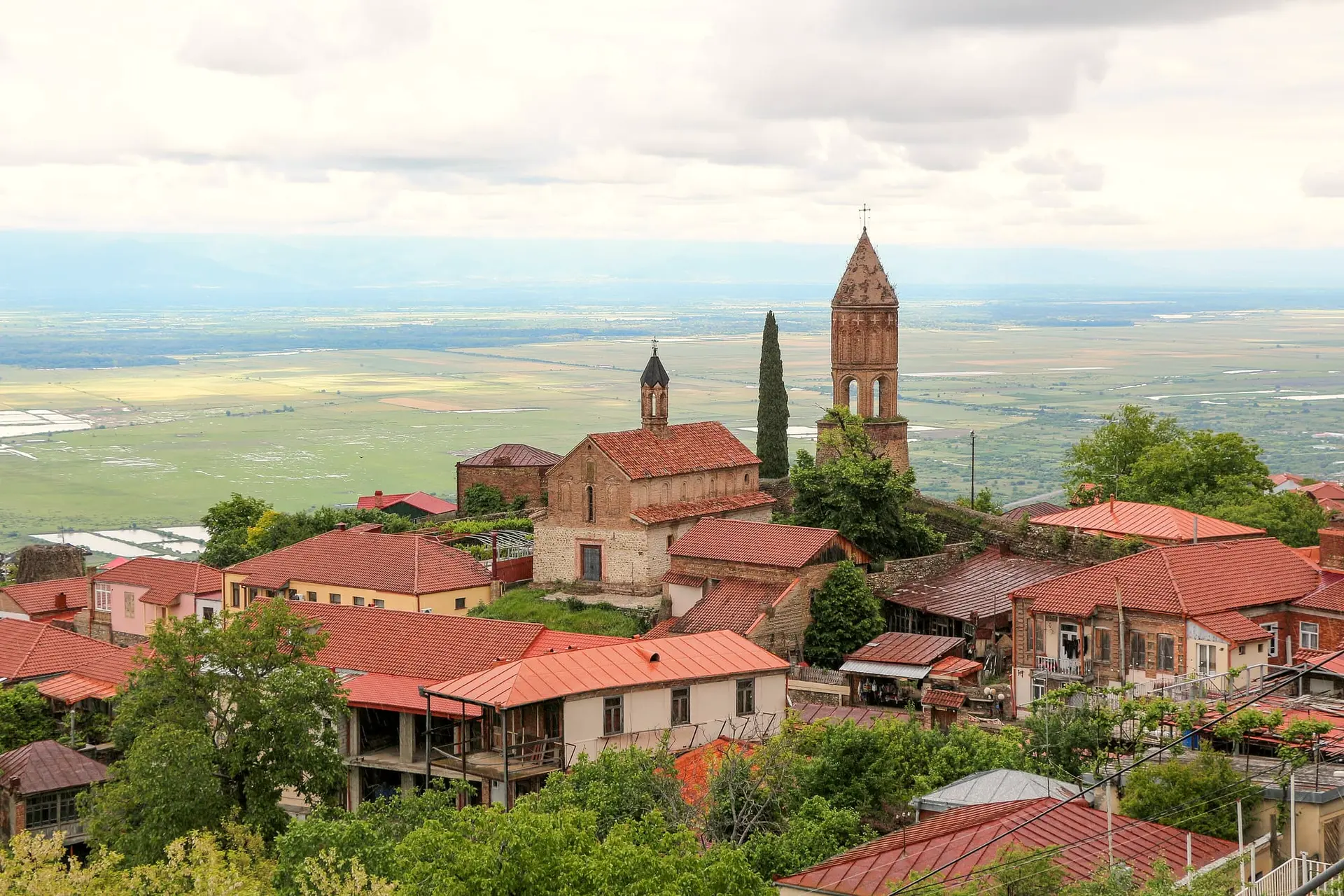
Sighnaghi sits on a ridge above the Alazani Valley, about 110 km from Tbilisi. It is a small town inside an 18th-century wall, with around 1,500 people living in it. Bodbe Monastery, where St Nino is buried, is 2 km away. Both fit easily into one day.
The road from Tbilisi
Sighnaghi is about 110 km from Tbilisi. The road follows the Kakheti highway through Sagarejo and climbs up to the town at the end. By car it takes 1.5 to 2 hours, by minibus 2 to 2.5 hours.
Minibus or car with a driver
Minibuses to Sighnaghi leave from Navtlughi bus station next to Samgori metro. Some older guides send you to Ortachala, but the direct service runs from Samgori. There is one roughly every two hours from 9:00 to 18:00. The fare is 10 to 15 GEL and you pay the driver. Ask the driver about the last minibus back as soon as you arrive.
By minibus you have time to walk around town and down to Bodbe on foot. For the wineries in the valley you will need a taxi.
With a driver the day is simpler. You are picked up at your hotel when it suits you, the car waits at Bodbe and in town, and you can drink at a tasting without thinking about the drive home. Sighnaghi and Bodbe are both part of our Kakheti wine tour. The price is fixed, and you pay the driver at the end of the day.
The walls, the towers and the valley view
King Erekle II built the town and its fortress in 1762 to protect the area from raids. The wall runs for about 4 km, with 23 towers and 6 gates. Each tower is named after one of the nearby villages. The largest one holds the small church of St Stephen.
Walking on the wall is free. Only some sections are open, and you reach them by stairs inside the towers. In places there is no railing and the stones get slippery after rain, so wear shoes with a good grip.
From the wall you see the whole Alazani Valley, and on a clear day the Greater Caucasus behind it. In town, the Sighnaghi Museum has 16 paintings by Niko Pirosmani, who was born in the Kakheti village of Mirzaani. It is open Tuesday to Sunday, 10:00 to 18:00. Sighnaghi also has a wedding house that registers marriages around the clock.
Bodbe Monastery
Bodbe is 2 km from Sighnaghi, a 20 to 30 minute walk. St Nino, who brought Christianity to Georgia, is buried here. Her grave is in the south chapel of the old church. The convent was founded in 1889. Entry is free.
It is a working convent and the rules are strict. Everyone needs covered shoulders and knees, and men in shorts are turned away. Women cover their hair and are better off in a skirt. There are usually headscarves at the entrance. On 27 January, St Nino's day, the monastery is full of pilgrims.
From the monastery garden a staircase of several hundred steps runs down through the forest to St Nino's spring. At the bottom there is a small chapel and a bathing pool. To go in you need a white shirt, which is sold on site. Men and women go in separately, a few at a time. The pool closes earlier than the monastery and the climb back takes a while, so do not save the spring for the evening.
Where to taste wine
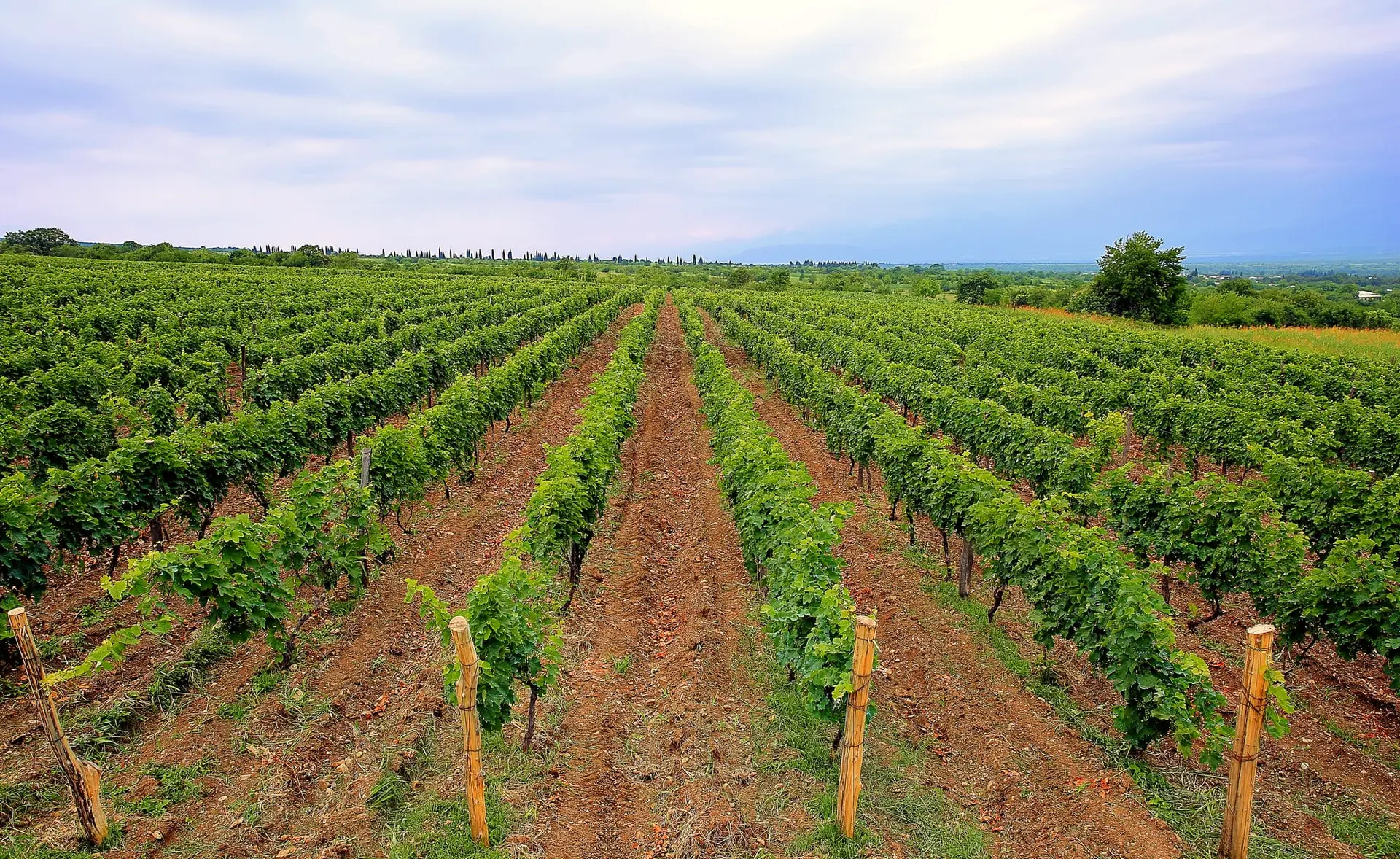
In town there are two well-known places, Pheasant's Tears and Okro's Wines. Both make natural wine in qvevri, and you can have lunch and try several wines at either. In season it is worth booking a tasting ahead.
Below the town, the villages of the Alazani Valley are full of family cellars. They usually show you the qvevri, pour homemade wine and sit you down to eat. If you also want to see Tsinandali, Alaverdi and the Khareba tunnel in Kvareli, read our guide to the Kakheti wine route.
A one-day plan
Start with Bodbe. There are fewer people in the morning and the pool at the spring is still open.
- Leave Tbilisi at 9:00 and reach Bodbe around 11:00.
- Bodbe. St Nino's grave, the garden above the valley and, if your legs allow, the walk down to the spring. Give it 1 to 1.5 hours.
- Around 12:30, Sighnaghi. Walk the wall and the towers, see St Stephen's church and, on any day but Monday, the museum.
- Around 14:00, lunch and a tasting in town or in one of the villages below.
- Head back at 16:30 or 17:00 and you are in Tbilisi around 19:00.
Staying the night
Many people stay the night in Sighnaghi. In the evening, once the tour groups leave, the town goes quiet, and in the morning the mountains are often clearer than in the afternoon haze. The old town has plenty of guesthouses and small hotels. During rtveli, from September to mid-October, and at weekends, book ahead.
The next morning you can go on to Telavi or Kvareli, or back to Tbilisi. If you travel with luggage, book the Tbilisi to Kakheti transfer and the driver takes you to your hotel.
Questions and answers
How far is Sighnaghi from Tbilisi?
About 110 km. By car it takes 1.5 to 2 hours, by minibus 2 to 2.5 hours.
Where does the minibus to Sighnaghi leave from?
From Navtlughi bus station at Samgori metro, roughly every two hours from 9:00 to 18:00. The fare is 10 to 15 GEL.
How far is Bodbe from Sighnaghi?
About 2 km. It is a 20 to 30 minute walk or a few minutes by car.
What should I wear to Bodbe Monastery?
Shoulders and knees must be covered. Women cover their hair, and there are usually headscarves at the entrance. Men in shorts are not allowed into the church.
Is there an entry fee?
The town walls and Bodbe Monastery are free. Only the Sighnaghi Museum charges for entry, and it is closed on Mondays.
Plan the trip
The transfer and the tour from this article, at a fixed price per car. Questions go to WhatsApp or Telegram.
More guides
 Guide
What to eat in Georgia
The Georgian dishes to try and how to order them. Khinkali, khachapuri by region, wine, the supra, vegetarian and halal food and Tbilisi prices in 2026.15 min read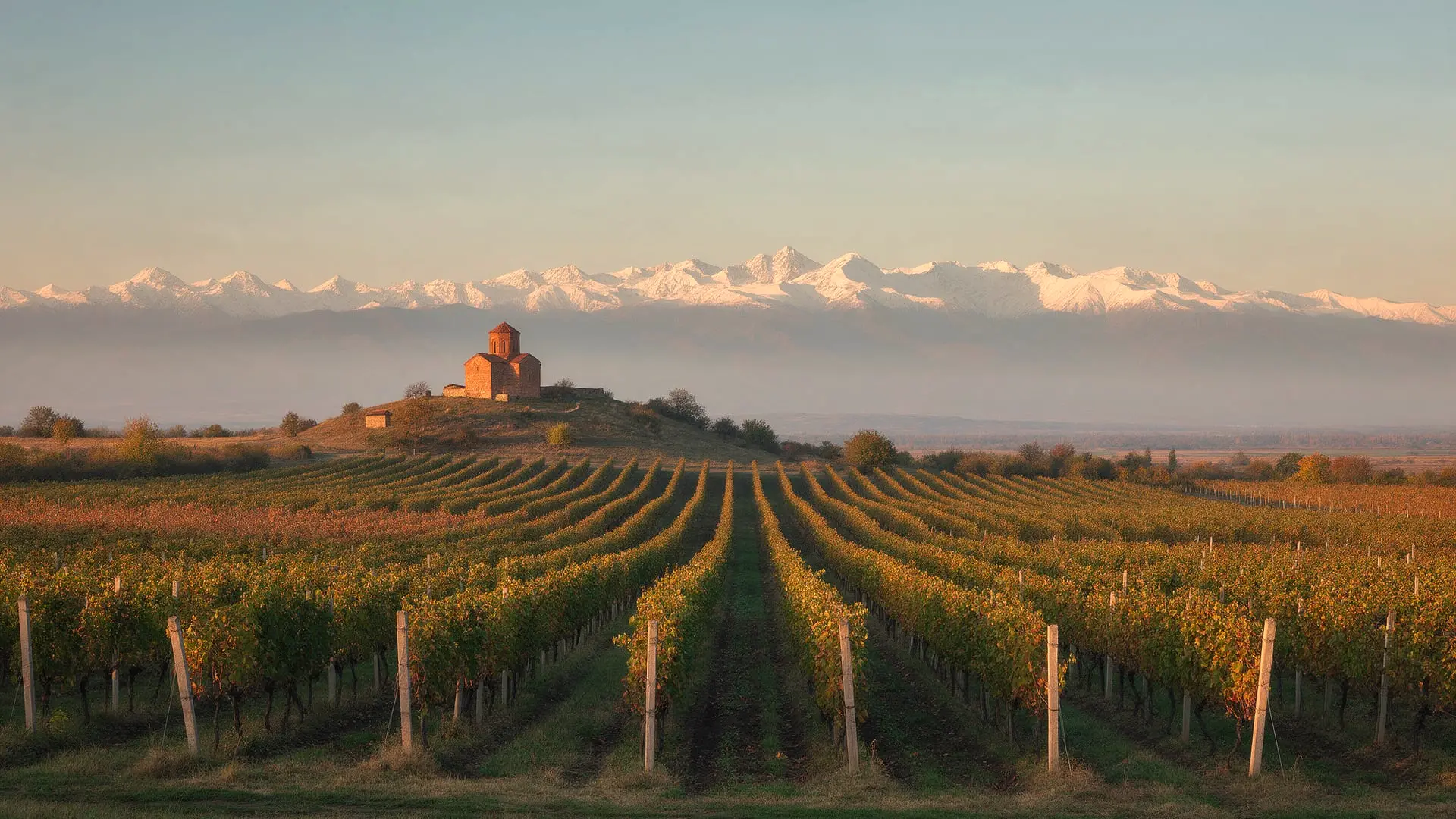 Wine
A one-day wine trip to Kakheti from Tbilisi
How to see Sighnaghi, Bodbe, Alaverdi, Tsinandali and qvevri wineries in one day from Tbilisi. Two routes, distances, the harvest season and getting there.4 min read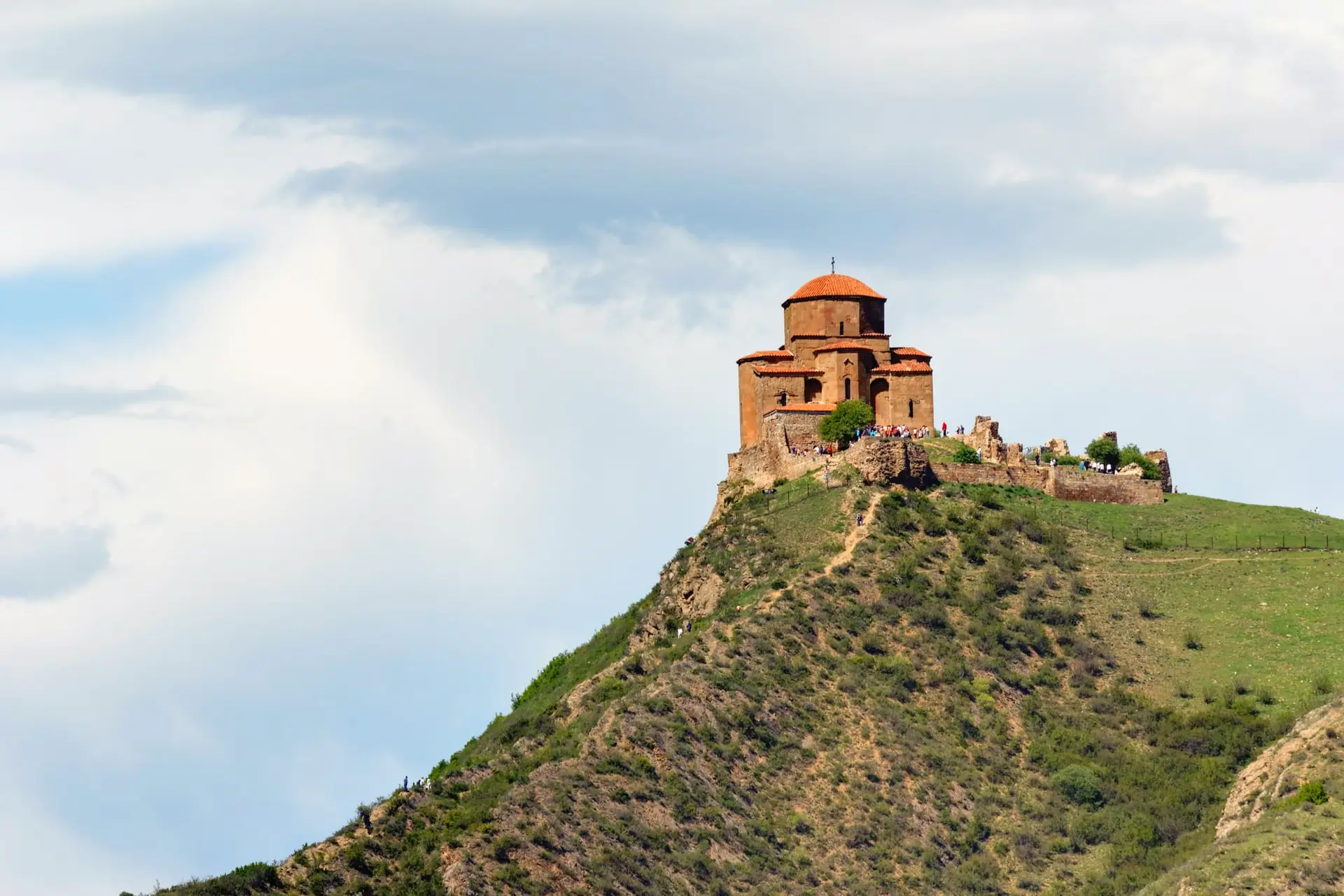 Route
The best day trips from Tbilisi
Mtskheta, Kazbegi, Kakheti, Uplistsikhe, Borjomi, David Gareja, Dashbashi and Vardzia from Tbilisi. Drive times, marshrutkas, 2026 tickets and combos.17 min read
Photos: Bernard Gagnon (CC BY 4.0).